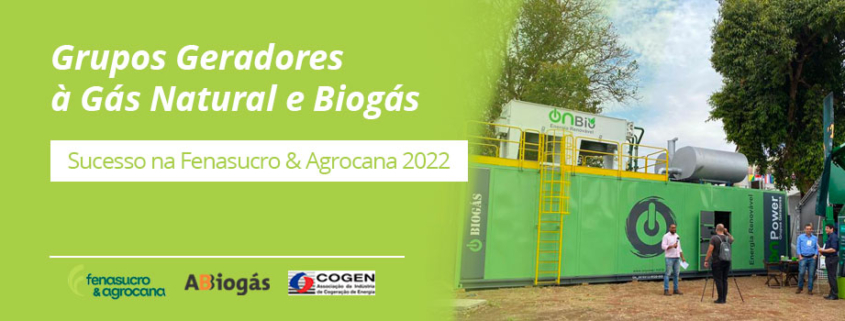
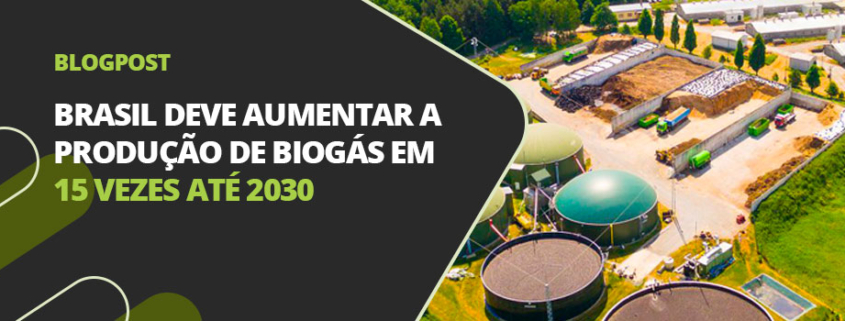
According to Abiogás, the country uses only 2% of its total capacity. At Fenasucro 2022, OnPower presented its line of biogas-powered generator sets, which should reduce dependence on the external market.
According to the entity, which discussed the topic at Fenasucro & Agrocana, the country’s potential is to produce 120 million cubic meters of biogas per day, but the amount generated in 2021 was only 2.3 million. However, by 2030, the forecast is that the daily capacity will reach 30 million.
During the fair in Sertãozinho (SP), considered one of the largest bioenergy events in the world, OnPower presented its line of biogas generator sets with power ratings from 477 to 1,000 kVA. The technology, which has Brazilian engineering, should reduce dependence on the external market, since this power range was previously only supplied by manufacturers abroad.
According to the president of Abiogás, Alessandro Gardemann, biogas production has experienced a tenfold growth in the last ten years. And, in the next eight years, industrial investments are expected to reach R$ 60 billion, mainly from sugarcane processing plants, which will also be the main beneficiaries.
Where biogas can be used
Biogas is a mixture of carbon dioxide and methane used in the generation of electricity and fuel. It is extracted from the processing, through biodigesters, of any organic residue, such as bagasse and straw from sugarcane, rice and corn straw, cottonseed, garbage, and animal waste. Biogas can also be purified, generating biomethane, which can replace derivatives of fossil fuels, such as gasoline, diesel, and natural gas, in vehicles such as cars, buses, tractors, and other agricultural machinery.
Gardemann explains that agribusiness generates a lot of waste without proper disposal. In addition to biogas, the processing results in organic fertilizer, which, when applied to crops, can increase agricultural production. Furthermore, according to him, rural producers can reduce costs, since it is possible to utilize waste from various activities within the same property.
For Tamar Roitman, executive manager of Abiogás, biogas has the potential to generate a great impact not only in the field, but throughout society.
Biogas Generator Set Manufactured in Brazil
The biogas generator set was presented during Fenasucro by the company OnPower, with Brazilian engineering. According to Fernando Lemos, commercial manager, the fair was the stage for the national launch of the technology.
OnPower owns the largest thermoelectric power plants in Brazil and Argentina. After identifying a need to generate energy from biogas, the company developed the generator set with financing from the National Bank for Economic and Social Development (BNDES). “The market is booming and is looking for the best acquisition option in the national market.”
Lemos says the equipment can help achieve carbon neutrality by burning methane found in biogas, not only from agricultural waste but also from landfills and water treatment plants.
Source: G1 and Abiogás